
Being selected for an exhibition in France is exciting. Then comes the practical question: how do you get your artwork there from the UK, and back again, without a surprise at the border? Since Brexit, sending art to the EU is a customs matter as well as a courier booking. This guide covers the basics for artists preparing for HUGE Lyon (4–6 December 2026) or HUGE Paris (5–7 February 2027).
This is general guidance, not customs advice, so confirm the details with your carrier or customs agent. HUGE's open-call page does not set out shipping or customs arrangements for artists, so check the instructions you receive after selection, or ask the team before you book anything.
Start with a simple question: is the work coming back?
Most of the rules depend on whether your artwork is leaving the UK for good or only for the show. Decide early, because it affects the paperwork.
Temporary export and return. You send the work for the exhibition and bring it home afterwards.
Possible sale. A work may find a buyer in France, which changes the customs and VAT picture.
GOV.UK's step-by-step export guidance tells you to check the rules for the goods you are sending, including a note that art works, antiques and culturally significant goods can need licences or certificates. The same guidance says you may need an EORI number starting with GB to export goods from England, Wales or Scotland.
Customs paperwork for artwork sent for exhibition
Temporary admission and the ATA Carnet
An ATA Carnet is described by GOV.UK as a "passport for goods". It is one way to claim relief from import duty when temporarily exporting certain goods, and GOV.UK lists exhibition goods among the examples. The London Chamber of Commerce and Industry, which guarantees UK carnets, lists works of art to be exhibited at galleries among the goods covered. France's customs service says the carnet is valid for a year and replaces the customs documents normally needed for temporary import and export.
Points to know before you decide:
You apply through an authorised Chamber of Commerce, describing each item in detail. Unclear descriptions can lead to refusal or delays.
You will normally pay a fee and provide a guarantee or security; check the current fee with your chamber of commerce before you apply.
You are responsible for any customs charges if the goods are not used correctly or are not brought back. A carnet is designed for work that returns, so if a piece sells, ask your chamber and your shipper what to do before it happens.
A carnet is not compulsory. Instead, you may use a courier or shipper who prepares the export declaration. GOV.UK's guidance for international events lists the usual documents for exporting goods as an export declaration, a commercial invoice, a packing list and, if you use one, the ATA Carnet.
Invoices and descriptions
GOV.UK says to put the price you are selling at on the invoice, or the market value if you are not selling. For artwork, list the title, medium, dimensions, year and value, plus the purpose (for example "exhibition, to be returned to the UK"). Ask your carrier which type of invoice they want.
Commodity codes
Customs forms ask for a commodity code. GOV.UK's guidance on works of art lists heading 9701 for paintings and drawings executed entirely by hand, and 9702 for original prints. Your shipper or agent should confirm the right code for your work, particularly for photographs, mixed media or sculpture.
If a work sells: VAT on import into France
French government guidance (service-public.fr) states that importing works of art into mainland France is subject to VAT at the reduced rate of 5.5%, and its definition of an artwork includes paintings and drawings executed entirely by hand by the artist. It does not tell you who ends up paying in your particular case, so ask your shipper how import VAT and any duty would be handled if your work sells.
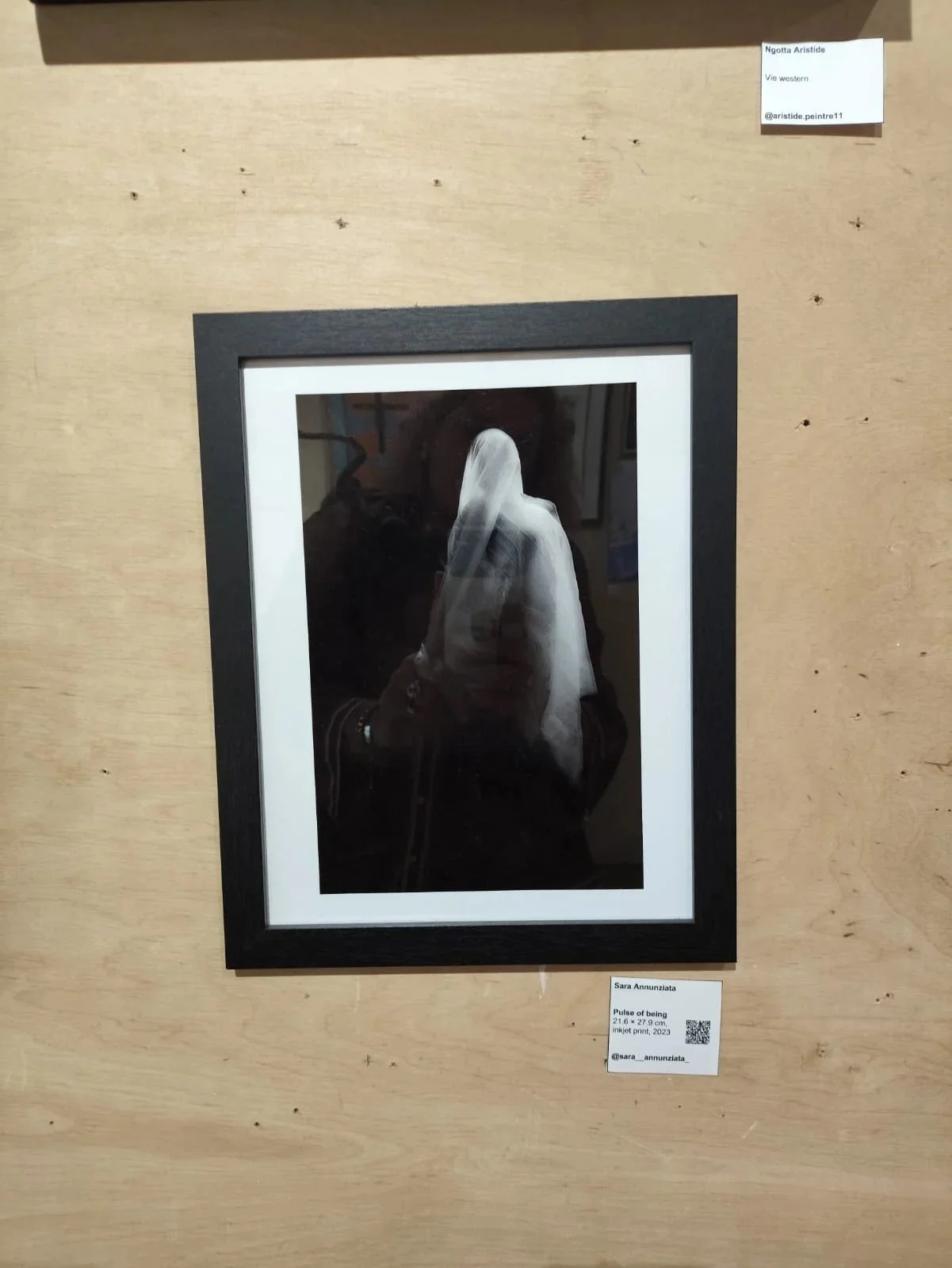
Courier, fine-art shipper or carrying it yourself?
Courier
Suits smaller, robustly packed pieces. Read the carrier's terms on declared value, packing and exclusions, and ask who prepares the export declaration.
Fine-art shipper
Costs more, but suits large, fragile or high-value work. Ask for a written quote showing whether crating, customs paperwork, delivery to the venue and the return journey are included.
Taking it with you
If you are travelling to the show, you can carry work in your luggage, but it is not exempt from customs. GOV.UK says goods you plan to sell or use in your business must be declared, with no duty-free allowance. Its online declaration is for goods valued under £2,500 and weighing under 1,000kg, you need an EORI number at least 48 hours before travelling, and you can only declare in the five days before you leave. It cannot be used if you intend to claim a relief, such as a carnet.
France has its own declaration rules for goods arriving with travellers that are not exclusively for personal use. Check the current French customs guide or ask French customs which route fits your works. Airlines set their own size rules too.
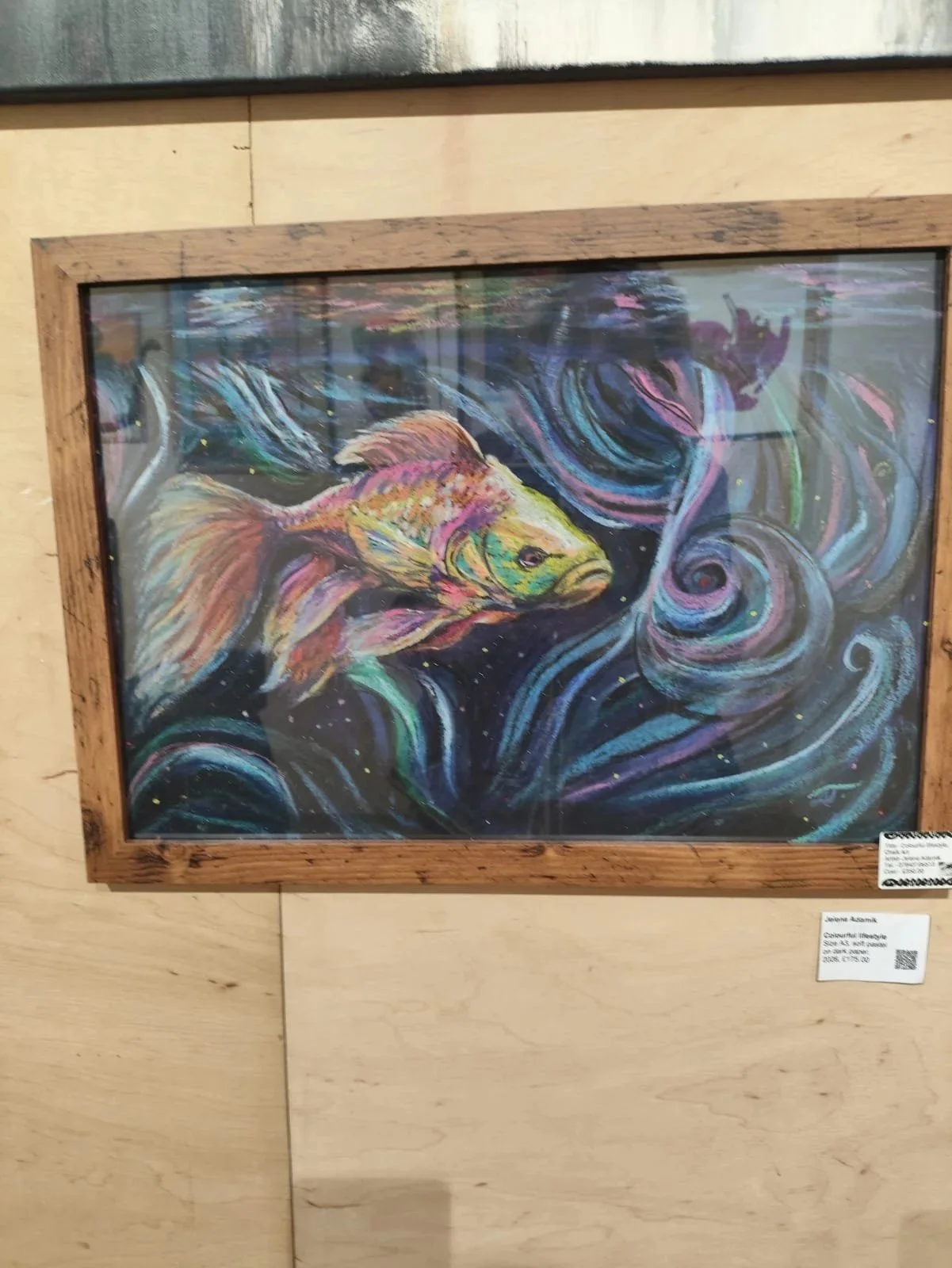
Packing: protect every corner
These are practical suggestions rather than rules. Your carrier's packing guide always takes priority.
Wrap the surface first. Use glassine or acid-free tissue on works on paper and painted surfaces, then bubble wrap or foam.
Protect the corners. Corner protectors take most knocks in transit. Add rigid board on both faces of framed work.
Consider glazing. Acrylic glazing is lighter and does not shatter like glass, which many artists prefer for shipping. Ask your carrier whether glass is accepted at all.
Double up. Use a snug inner box inside a sturdier outer box or crate, with no space for the work to move.
Photograph before sealing. Take dated photos of the work, the packing and the condition. They help with any insurance claim.
Labelling
Label the outside clearly, and put a second label inside. Include your name, the artwork title, the show name and dates, the venue address, a contact phone number and your UK return address. For HUGE Lyon that is 53 Cours Tolstoï, 69100 Villeurbanne; for HUGE Paris, 18 rue Lally-Tollendal, Paris. Confirm the delivery details with HUGE before dispatch.
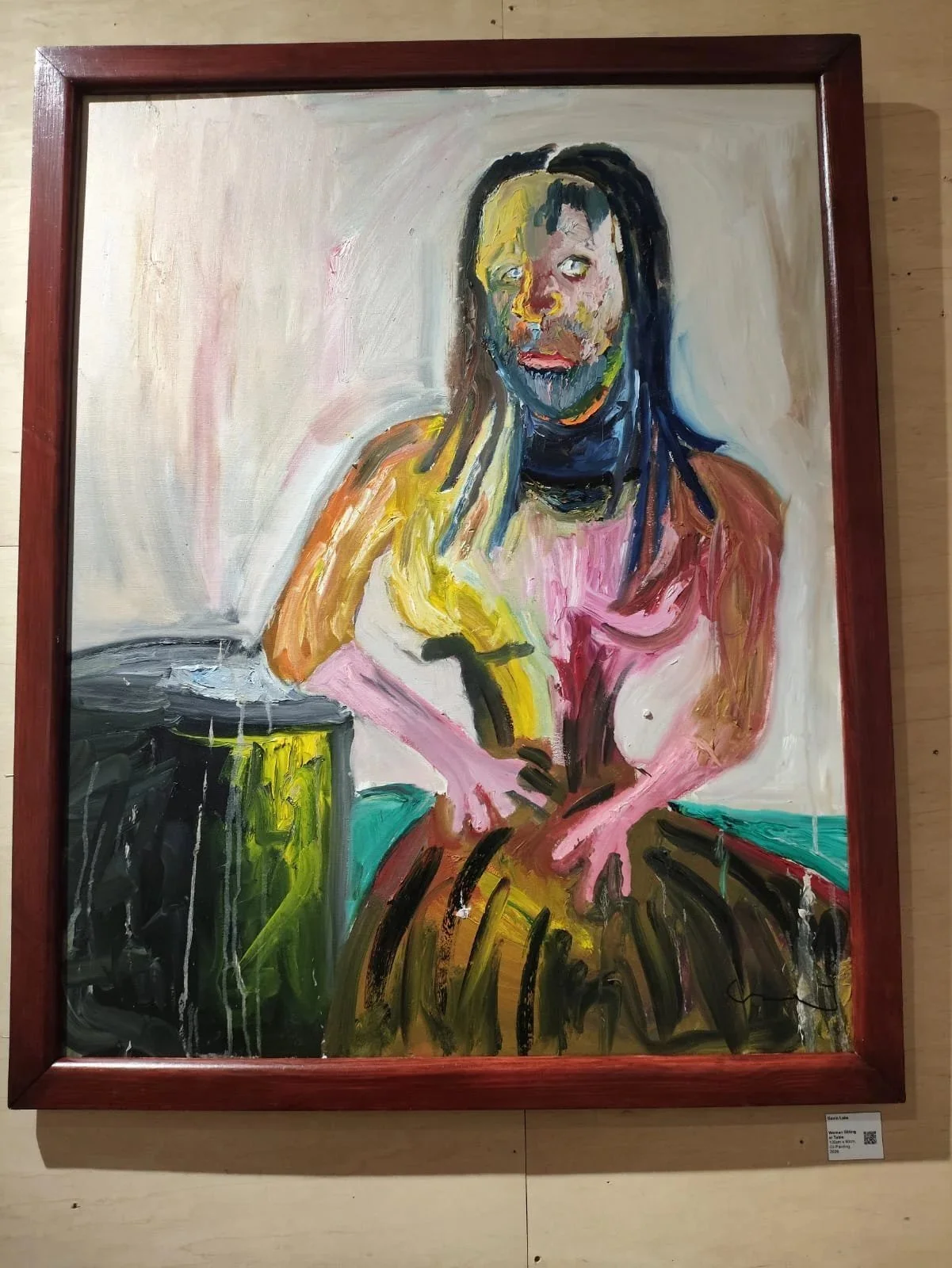
Insurance: questions to ask
Is the work covered door to door, including the exhibition and the return?
What value is it insured for, and how is it proved (invoice, photographs, price list)?
What is excluded, such as glass breakage or inadequate packing?
Does the organiser provide cover, or only your own policy?
Timings: plan backwards
No one can promise transit times, particularly with customs involved, so build in a buffer. Work backwards from the show:
Ask HUGE for the delivery window and the return arrangements, and any restrictions on size or framing.
Get quotes from two or three shippers and compare what is included.
If you want a carnet, contact a chamber early: the issuing office tells you how long it will take and what security is needed.
Pack, photograph, label and book collection with a margin before the deadline.
Track the parcel and keep your customs paperwork.
No shipment at all: the digital option
If the cost or paperwork of shipping outweighs the benefit, check whether a digital place suits you. HUGE's open-call page lists both physical and digital participation, and says you can apply from abroad and do not need to attend in person. If you are unsure which suits your work, the page invites you to talk it through with Nancy before applying. Our guide to choosing artwork may help.
Quick checklist
Confirm delivery and return arrangements with the show.
Decide: return, or possible sale.
Check EORI, licences and whether a carnet is worthwhile.
Prepare an invoice, packing list and descriptions.
Choose courier, fine-art shipper or carrying it.
Pack with corner protection and photograph the condition.
Label inside and out, with venue and return address.
Confirm insurance cover door to door.
Leave a time buffer and track the parcel.
Visit HUGE Gallery's upcoming exhibition in Lyon.
Interested in exhibiting your work? Explore the current HUGE Gallery open call. The HUGE Paris call (5–7 February 2027) has a deadline of 20 January 2027.
