
How to Choose Artwork for an Open Call
An open-call submission is a small introduction to your practice. You do not need to show everything you have ever made. You need a selection that gives someone a clear reason to look more closely.
Start with the requirements of the opportunity, then make decisions about the work. How many images are allowed? Which media are accepted? Is the application for a physical presentation, a digital display, or either? The five submitted works below help us explore different questions to ask while making your selection. They are examples from the HUGE community, rather than a ranking or a promise of selection.
1. Choose a clear starting point
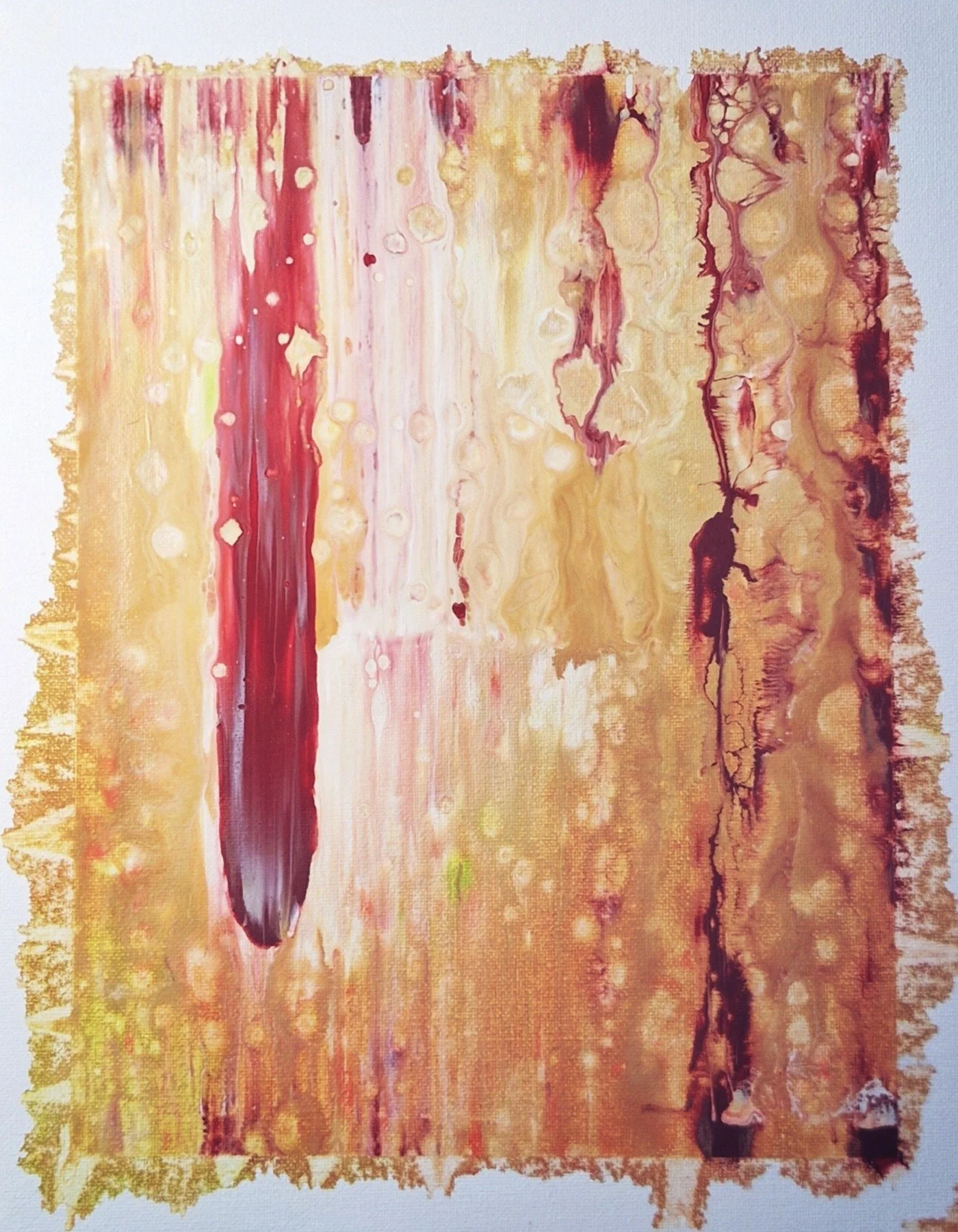
Ellie Goodliffe’s Cycle I offers a specific starting point: vertical crimson marks, pale washes and a textured edge. A first image should give someone a reason to look further. Choose a work that communicates a clear aspect of your practice, whether that is a recurring material, a particular kind of mark or an approach to composition.
Try describing your own first image in one sentence. If that sentence could apply to almost any artist, look again. Name the decisions that make the work yours, then ask whether the image communicates them without a lengthy explanation.
2. Build a relationship between the works
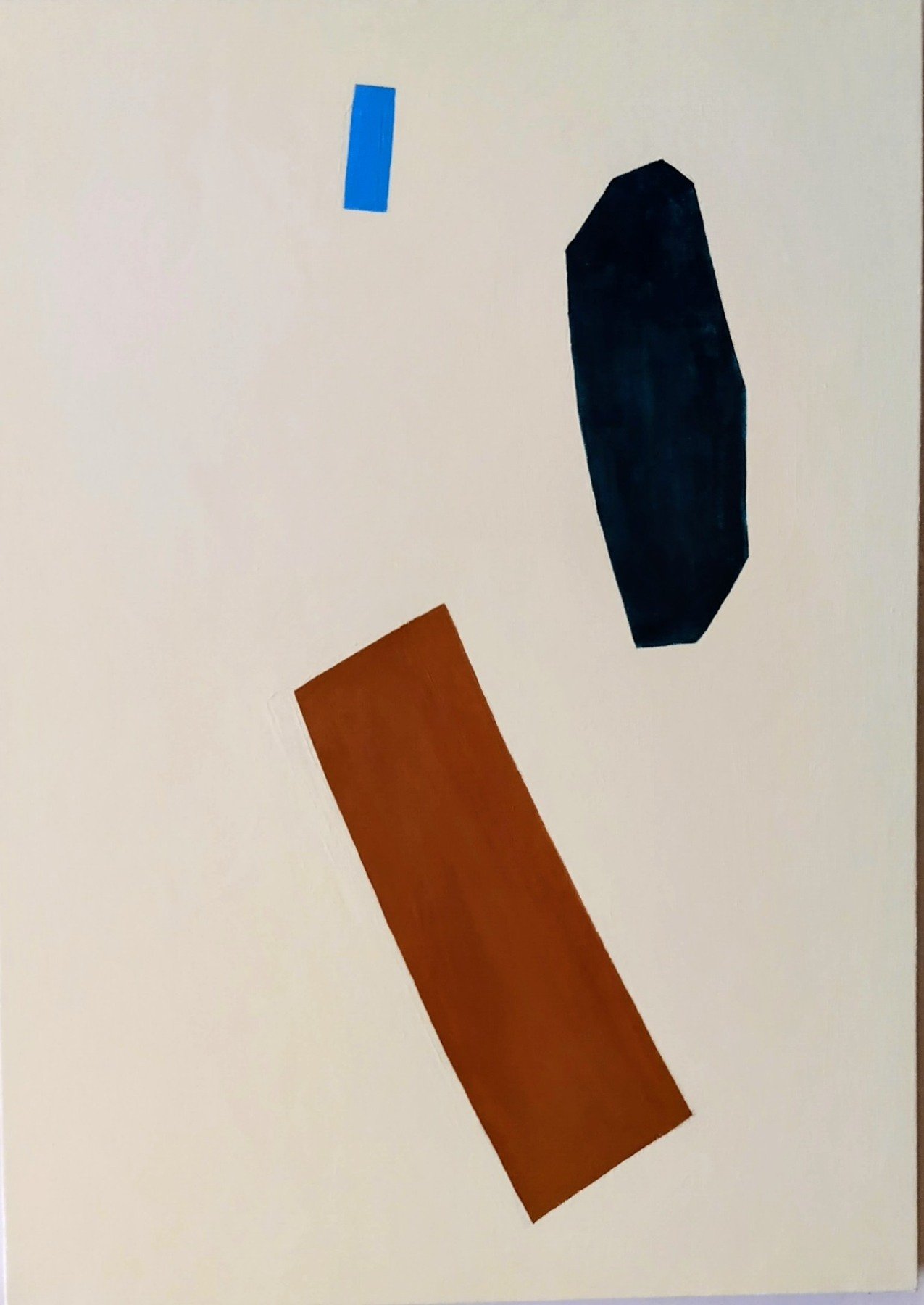
Anthony Emerton’s Brown A uses separated geometric forms and generous space. Coherence does not require filling every gap or repeating the same image. Look for a relationship between the works you submit: colour, material, rhythm or subject can connect pieces that still have different things to say.
Lay your possible images out side by side. Remove anything that interrupts the conversation without adding something useful. If two works say much the same thing, keep the one with the stronger image or the clearer relationship to the opportunity.
3. Consider how the work occupies space
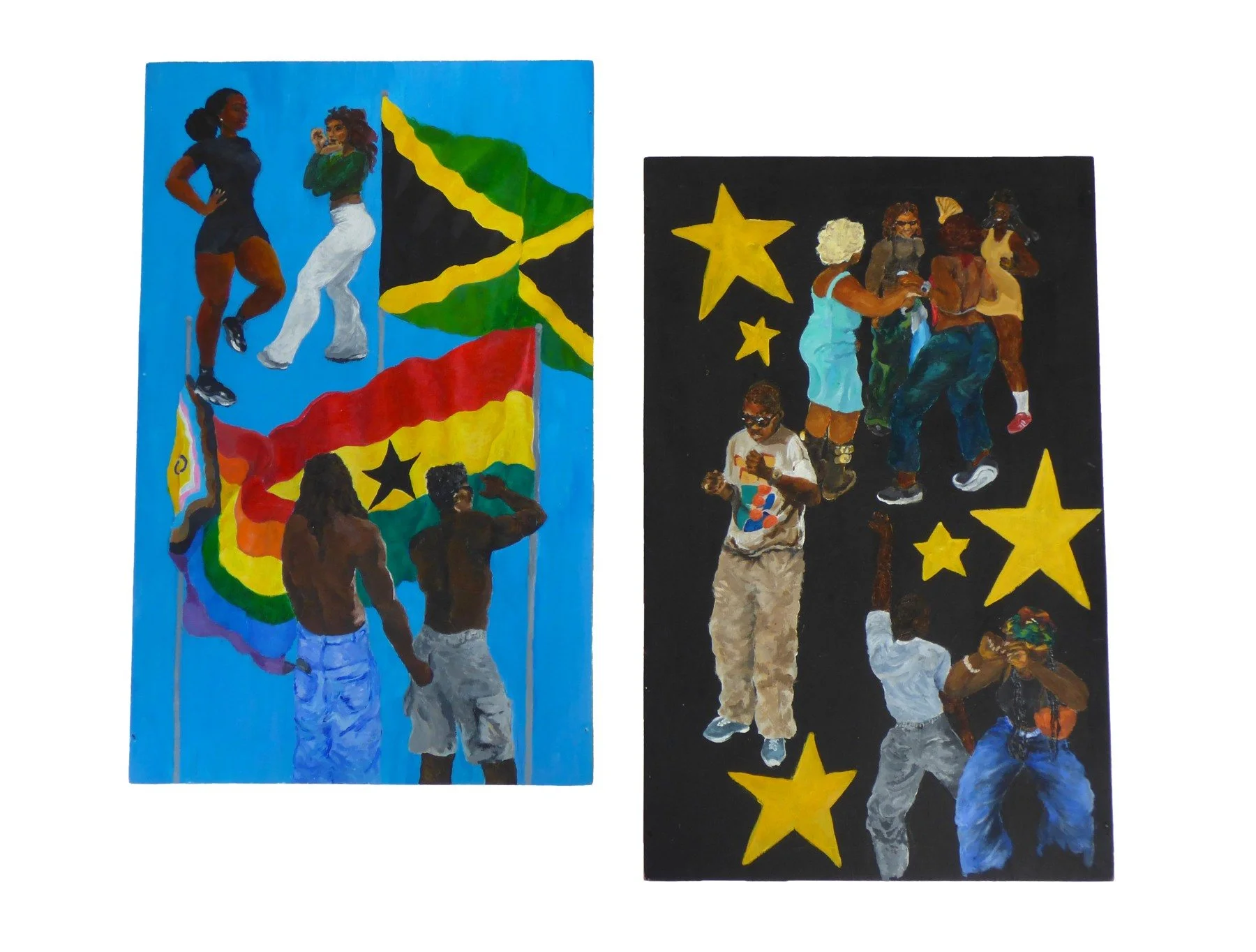
Kirsty Atek’s Day and Night consists of two painted wooden panels. The relationship between them is part of the presentation, so the application needs to make the two-part format clear. For any multi-part work, explain what belongs together and whether the components need a particular arrangement.
For your own application, record height, width and depth, along with weight when relevant. Check whether the work needs a wall, a plinth, a power supply or particular handling. These details help you assess whether a physical presentation is practical before making commitments.
4. Match the file to the medium
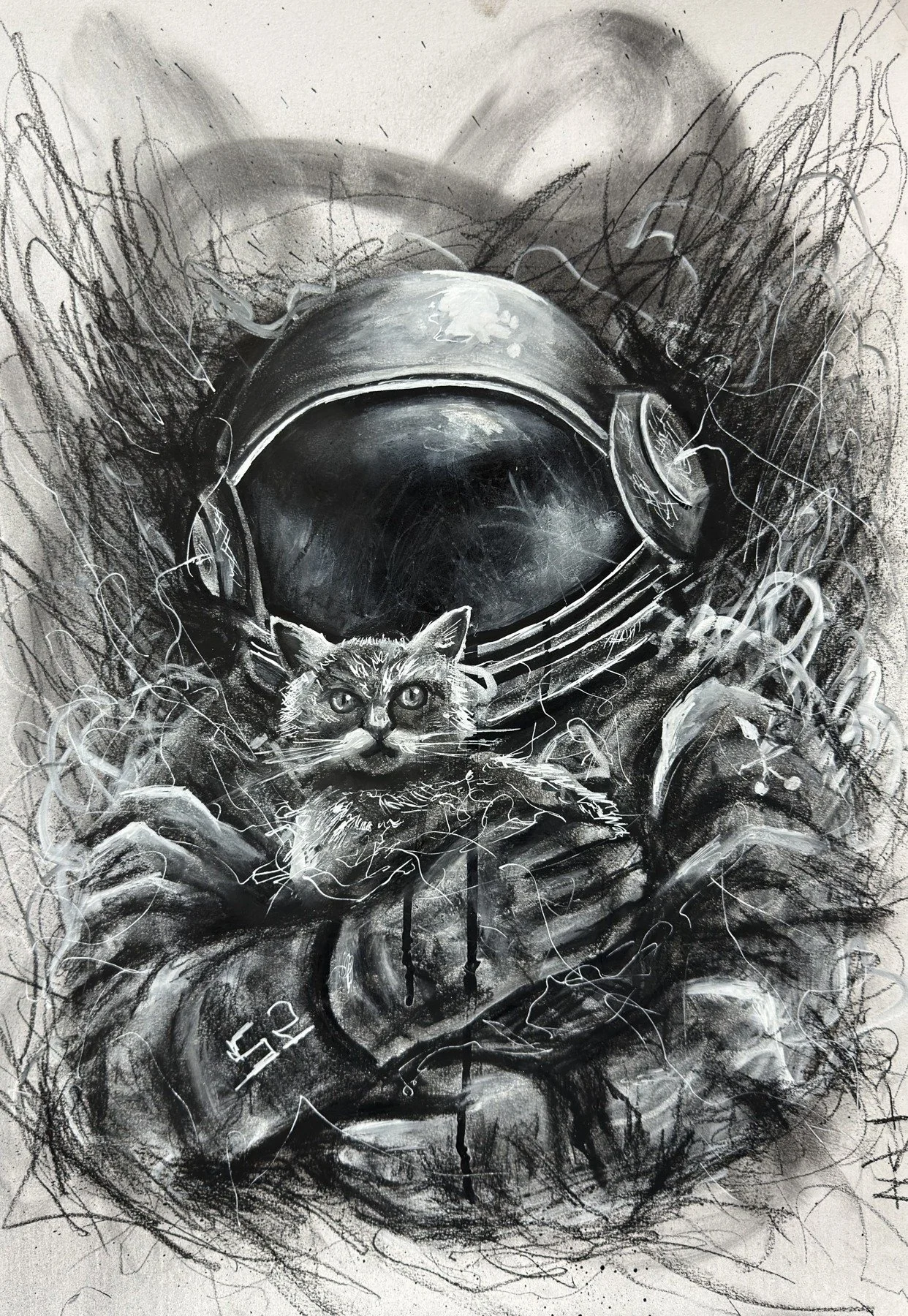
Tarun Arunachalam’s charcoal drawing combines soft tonal areas with dense, fine marks. A useful submission file must carry both without losing detail to heavy compression. The image should show the whole composition clearly enough for the viewer to understand it before exploring close-ups.
Follow the organiser’s file instructions. Keep an untouched master, then export a submission copy in the required format and dimensions. Open the actual file you will upload to check for cropping, unwanted borders and compression artefacts.
5. Make the supporting information specific
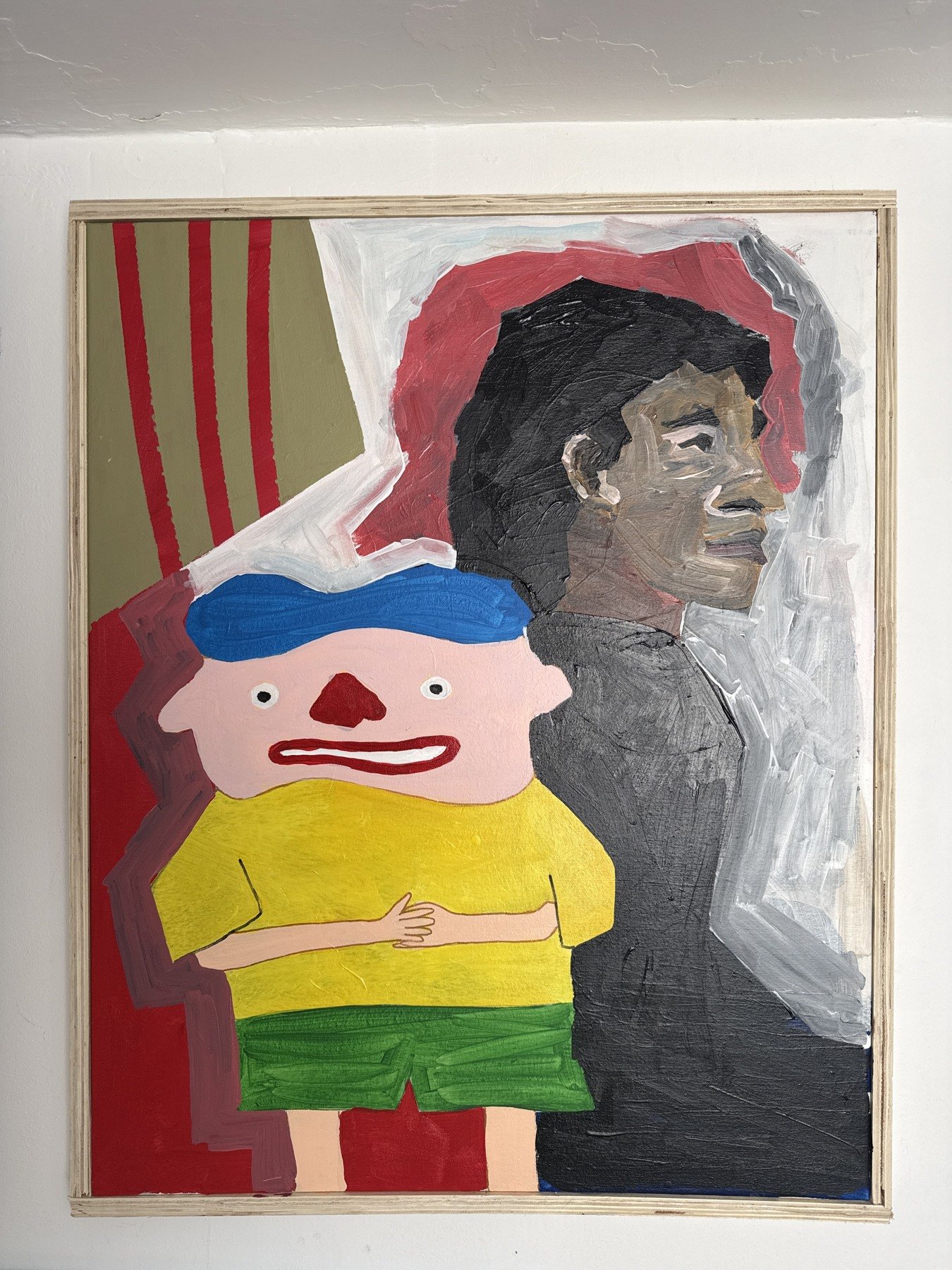
Chiaka Merenini supplied a title, medium, dimensions and year for undisputed. Those details give the image a practical context. An artwork record is also the place to distinguish the work from its frame or installation photograph, so an organiser knows exactly what is being offered.
Before submitting, check that the work is available for the proposed dates and that you understand the participation costs. Save a copy of your answers and images. A well-organised application makes later conversations easier, even when the outcome is uncertain.
Bring your work into the conversation
HUGE’s next November London exhibition runs from 27–29 November 2026, with the venue to be confirmed. Applications close on 16 November 2026. Physical places start at £150 and digital places at £50. Explore the format, consider the costs and submit the work you want people to spend time with.
