
Five Artists to Discover from the HUGE Community
Art can make us look twice at something we thought we knew. A flower, a familiar face, a fragment of ceramic: each becomes a starting point for a different way of seeing. In this artist spotlight, we meet five artists who have shared their work with HUGE.
These works come from our artist submissions. Together, they offer five routes into contemporary practice, from the physical presence of porcelain to the controlled glow of a digital portrait. Follow the website links beneath each image to spend more time with the artists and explore the wider bodies of work behind these individual pieces.
Ikuko Iwamoto: the marine world in porcelain
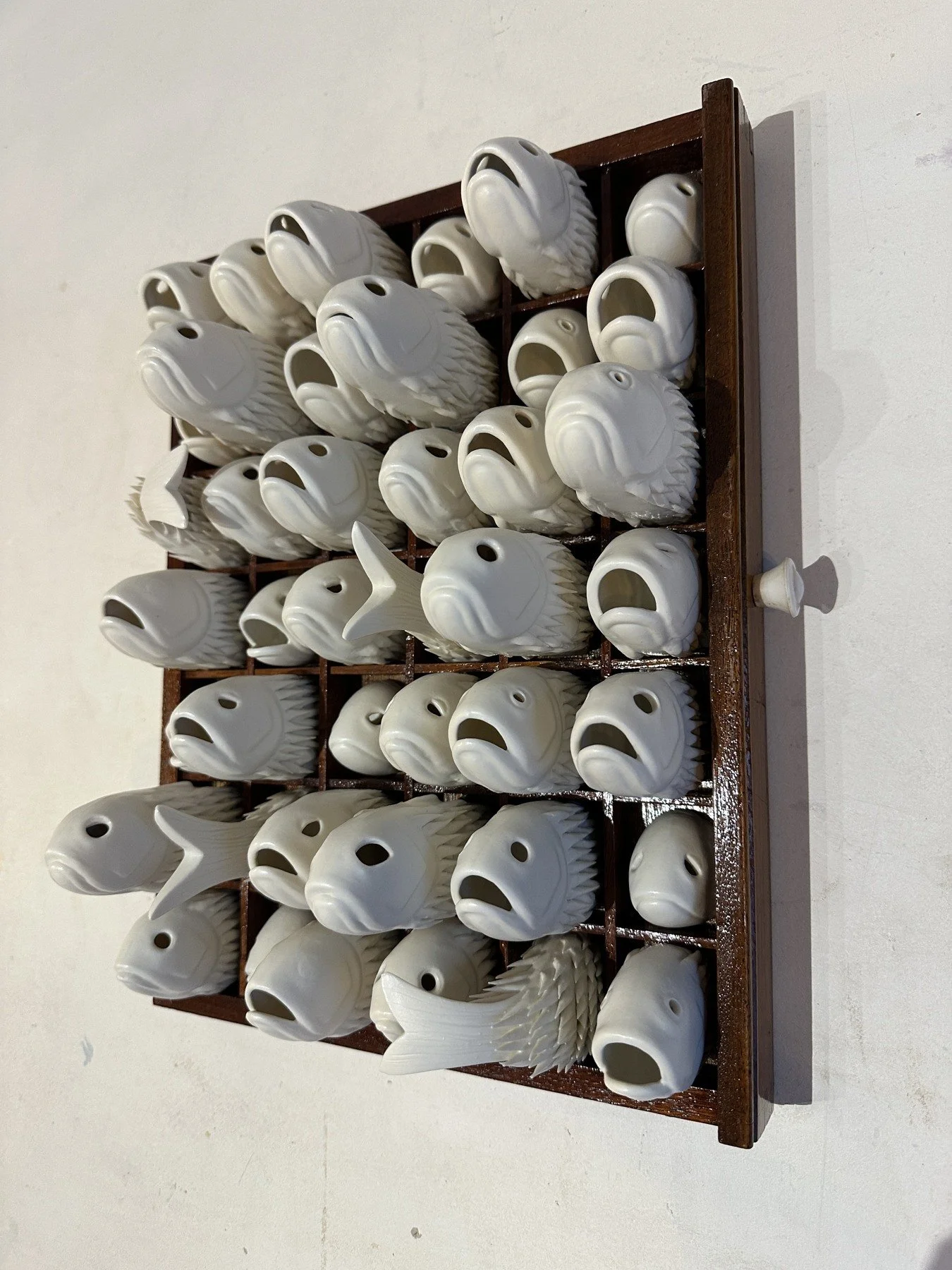
Japanese ceramic artist Ikuko Iwamoto is based in London. Her practice draws on marine life, environmental questions and Japanese craftsmanship, bringing porcelain into conversation with found materials. In this submitted work, white fish crowd a wooden frame, their open mouths and protruding forms pushing the composition towards the viewer.
There is a tension between the repeated shapes and the small differences that keep each form distinct. Look at the shadows between them: the work occupies space as much through those gaps as through the porcelain itself. It rewards the kind of slow looking that a single thumbnail rarely allows.
Pedro Sousa Louro: architecture, colour and material
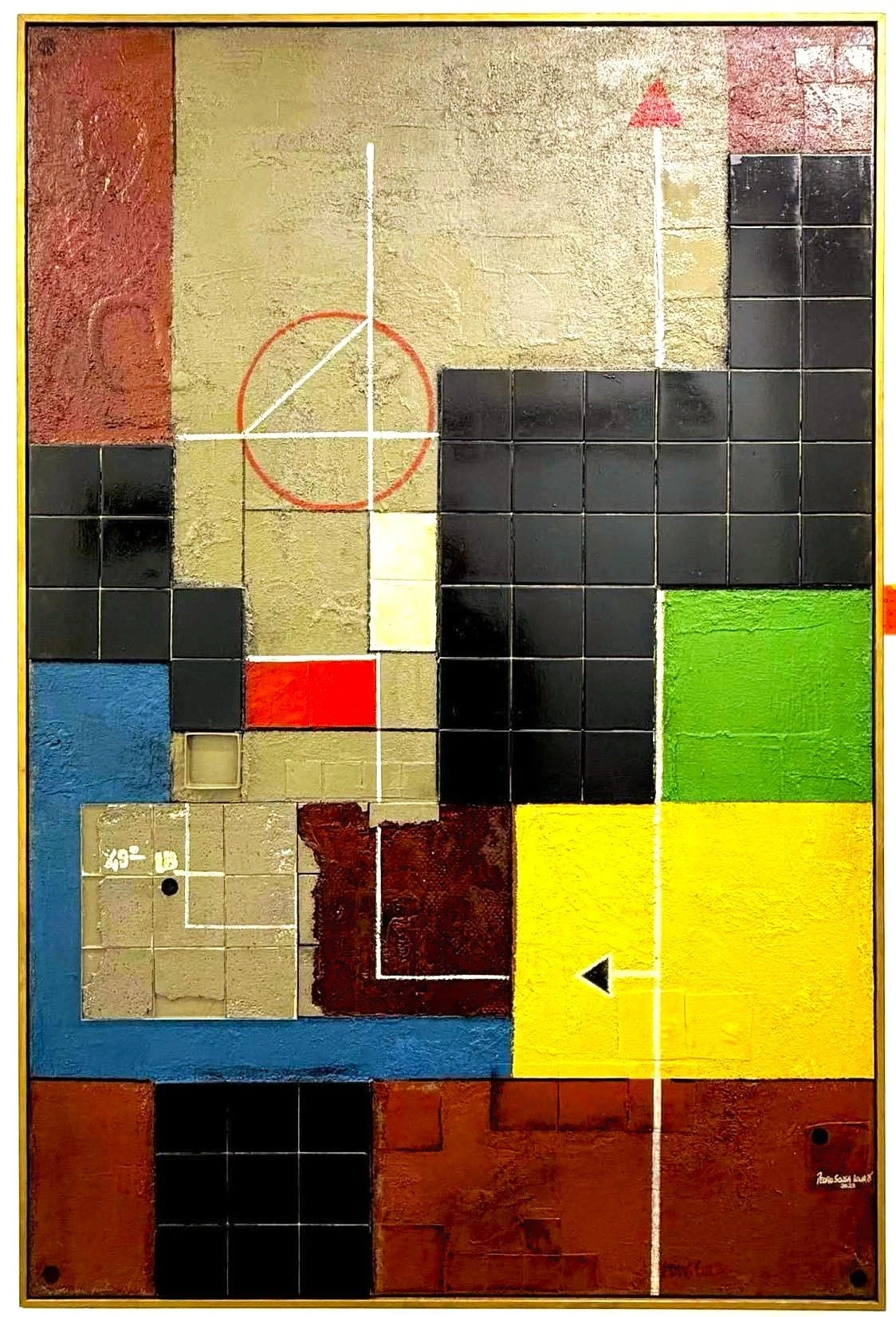
Pedro Sousa Louro describes a practice shaped by architecture, geometry and a fascination with materials. His mixed-media compositions combine elements such as tiles, wood, metals and attached objects. In Sympathetic lies, black squares meet fields of saturated colour and weathered surfaces.
The grid gives the eye a route through the work, but its textures interrupt any sense of perfect regularity. A yellow area can read as a block of colour from a distance; closer attention reveals the material decisions that make it part of a constructed surface. This is a useful artist to explore if you enjoy the meeting point between painting and assemblage.
Richard Goodwin-Wilcox: a closer look at ordinary flowers
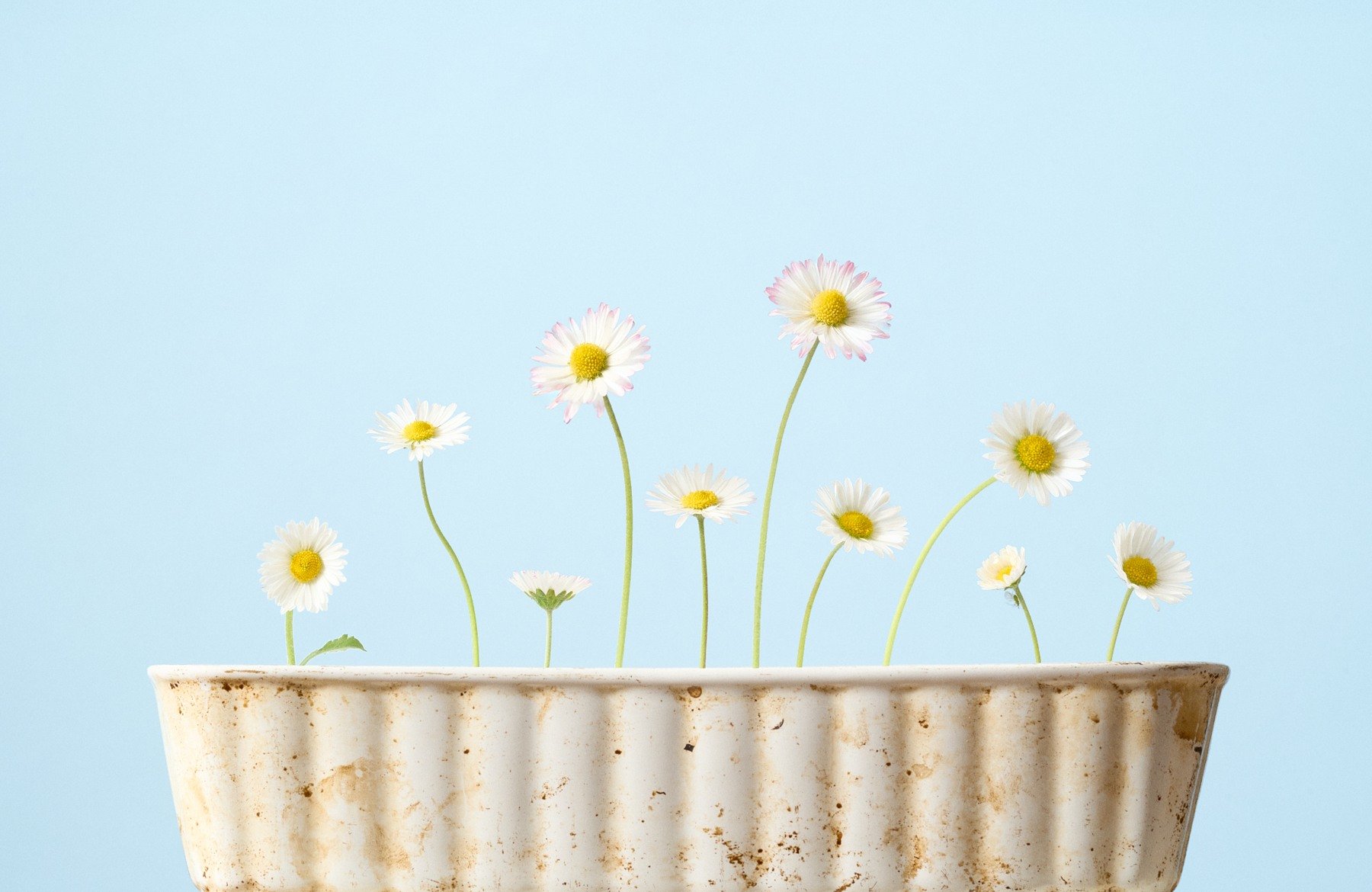
Richard Goodwin-Wilcox’s submitted project grows from observing the natural world and bringing flowers into the studio. In For Daisy, a pale blue background leaves room for the small movements of stems and petals. The flowers are familiar, yet their arrangement asks us to notice their individual directions and proportions.
Still-life photography can turn everyday materials into a carefully paced encounter. Here, the space around the flowers matters: it makes a modest subject feel expansive. Explore the wider project on the artist’s website to see how different arrangements shift the emotional character of the image.
Sundaye: character through light
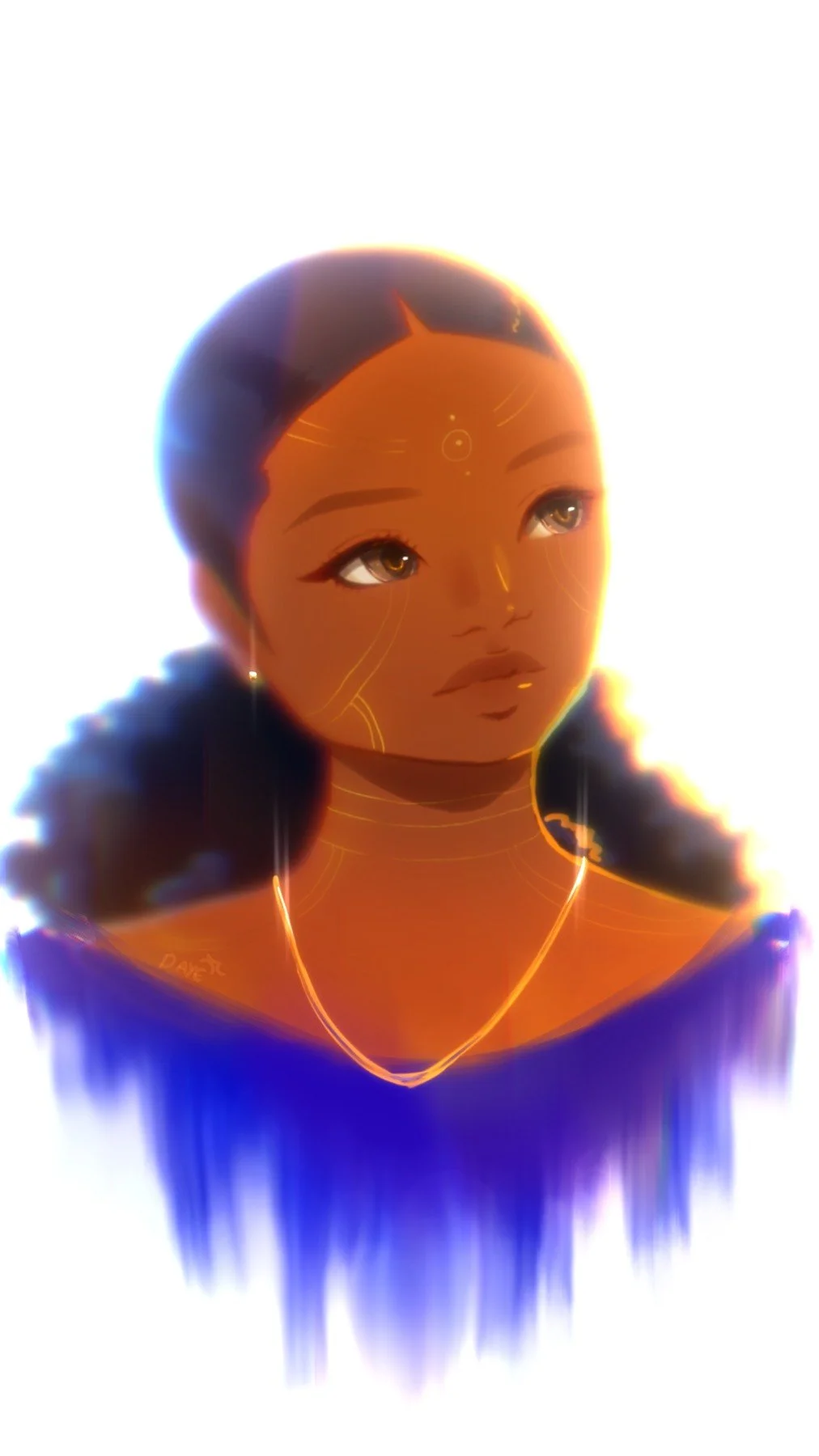
Sundaye is a self-taught digital artist specialising in character design and illustration. Film, music and animation inform her interest in turning imagined worlds into images. Sunlight uses warm orange tones, violet clothing and bright edges to give a portrait a strong sense of illumination.
The lighting helps establish a mood before we know anything about the character. Notice how much information the image communicates through colour relationships and the direction of the gaze. Digital illustration offers its own material language, and Sundaye’s submitted work makes that language part of the story.
Tiffany Foster: painting the act of looking
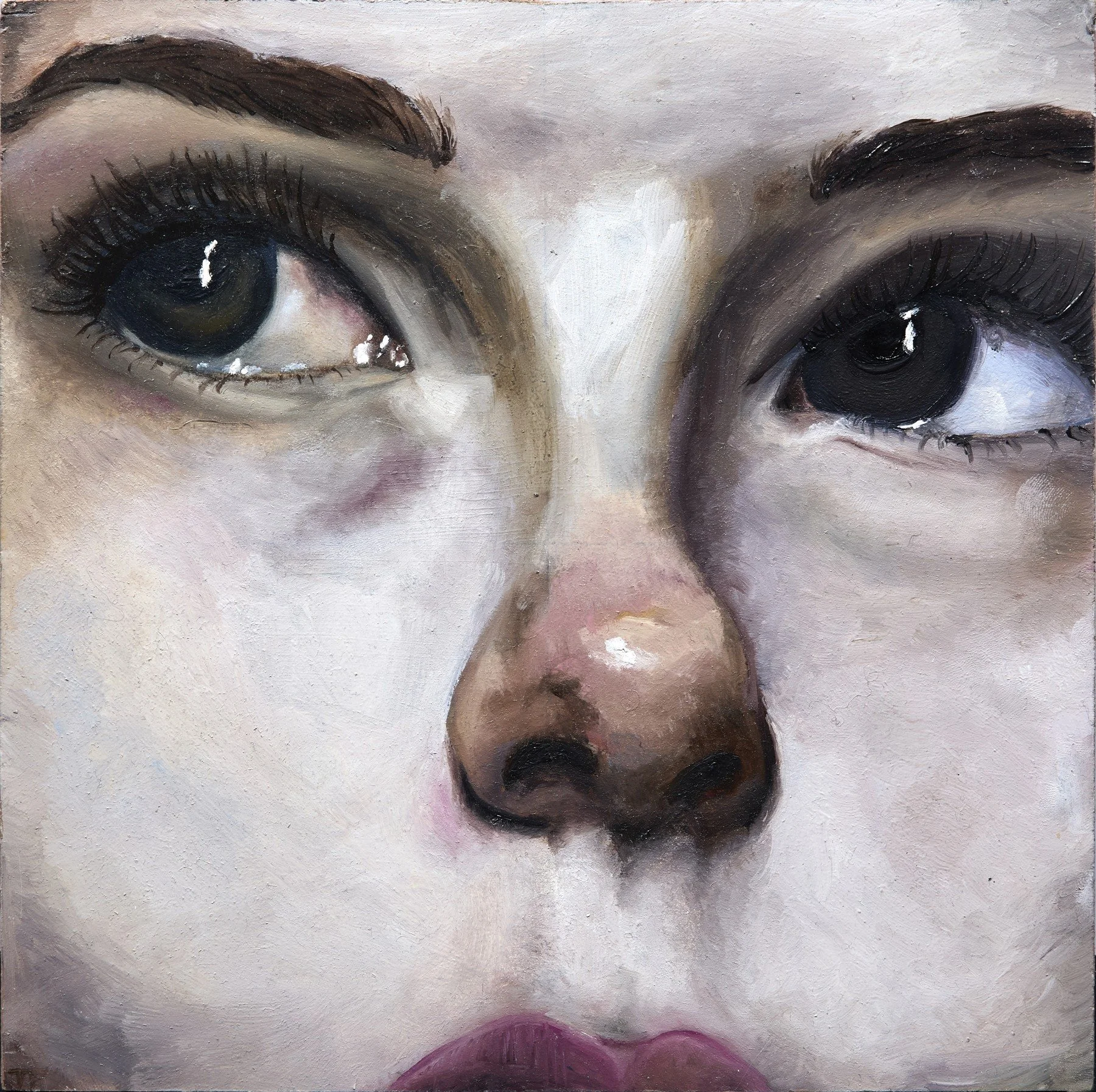
Tiffany Foster’s painting practice investigates memory, embodiment and personal history. Her submitted work Sunday brings us close to a face, with the eyes looking away from the centre of the picture. The crop makes small shifts of light and expression feel significant.
Foster describes an interest in both historical painting techniques and contemporary storytelling. This intimate oil painting offers a point of entry into that relationship: a recognisable subject becomes an invitation to consider how images hold attention and suggest a life beyond the frame.
Bring your work into the conversation
HUGE’s next November London exhibition runs from 27–29 November 2026, with the venue to be confirmed. Applications close on 16 November 2026. Physical places start at £150 and digital places at £50. Explore the format, consider the costs and submit the work you want people to spend time with.
