
Exhibiting in London: A First-Time Artist’s Checklist
Your first group exhibition becomes easier to manage when you turn a vague to-do list into a few concrete decisions. Start with the artwork, confirm the practical arrangements, and give visitors a simple way to keep exploring your practice.
HUGE’s November London show is scheduled for 27–29 November 2026, with applications closing on 16 November. The venue is still to be confirmed. That makes this a useful moment to prepare your materials while keeping venue-specific arrangements open. The works here were submitted to HUGE; their inclusion in this guide does not confirm participation in the November show.
Record the artwork details in one place
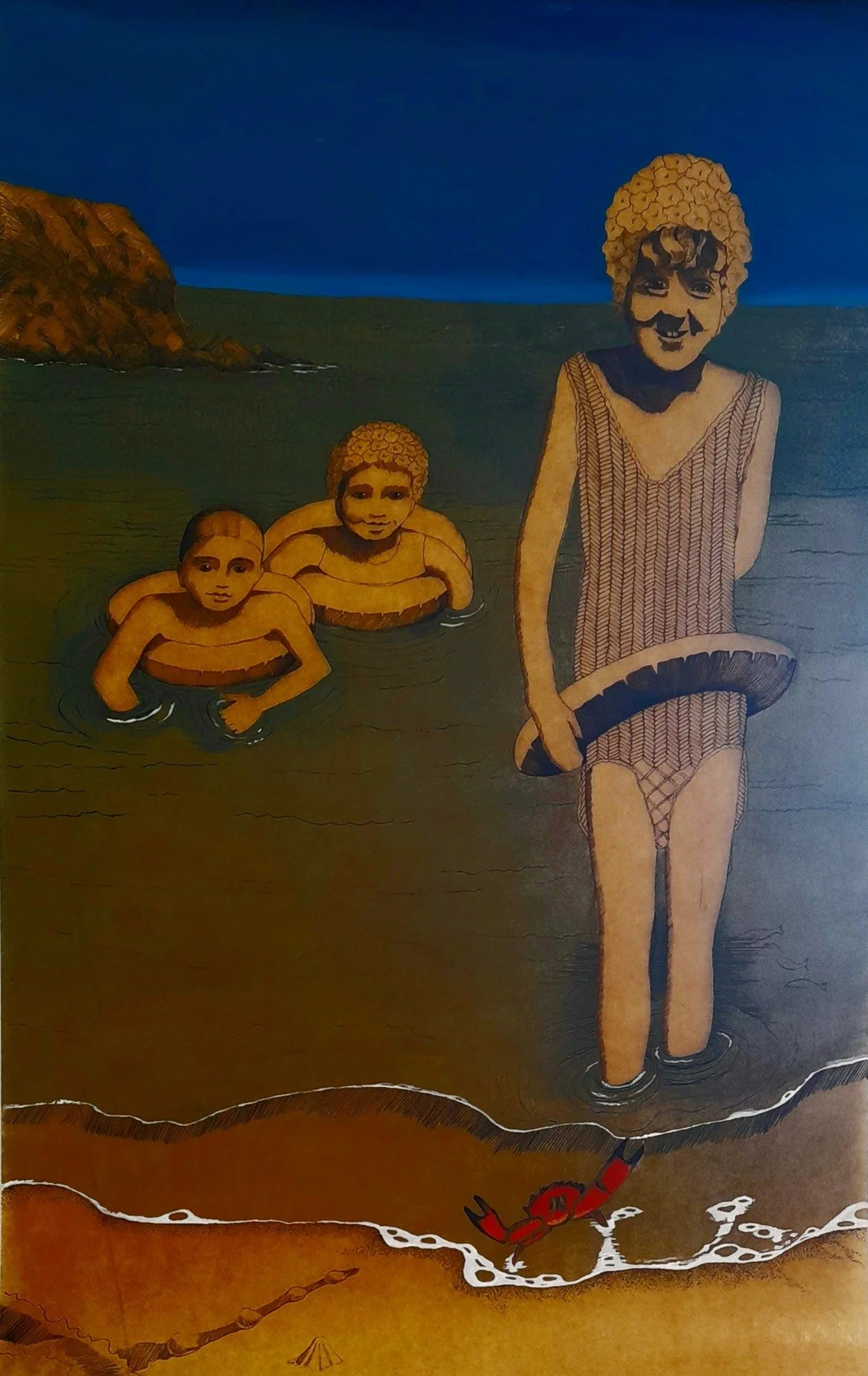
Lynn Stuart’s Hand-knitted Swimsuits is accompanied by its title, size and year. Start your exhibition preparation with the same kind of clear record. Keep the information together with a current image, your public artist name and the link you want visitors to follow.
Check the details against the object itself. Are the dimensions for the framed or unframed work? Does it have more than one component? If you are offering it for sale, confirm the price and the organiser’s arrangements directly rather than relying on assumptions from another event.
Explain any display requirements early
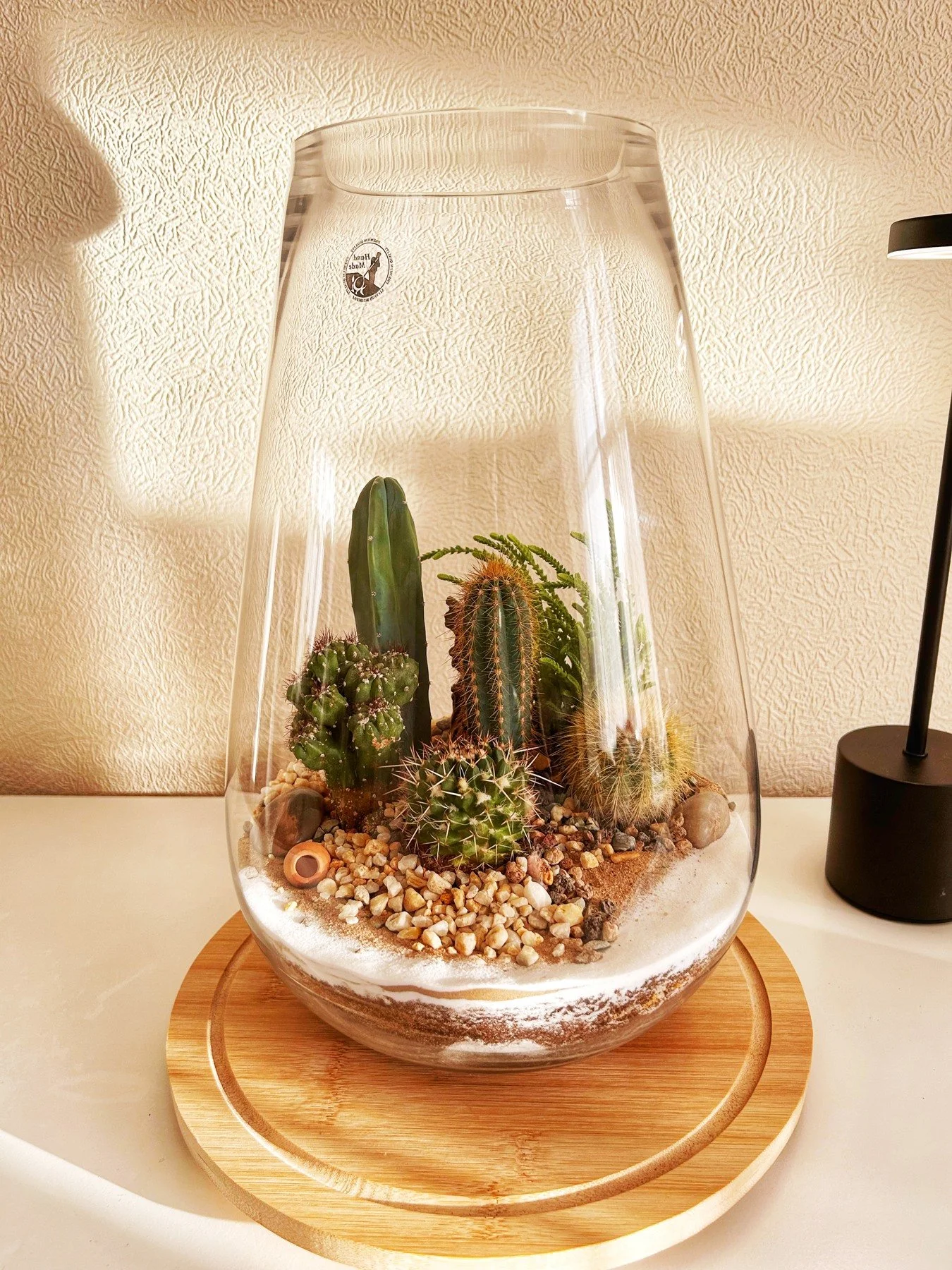
Sara Garcia’s Misti Terrarium makes the relationship between container, plants and display especially visible. A work involving living elements prompts questions that a flat picture does not: placement, access and care all matter. Describe your own requirements concretely and confirm them with the organiser.
Make a list of what your work needs to be shown properly. Share that list before delivery. Ask the organiser to confirm what they supply and what you must provide. A short, precise description is more helpful than discovering an installation requirement on the day.
Plan documentation for the chosen surface
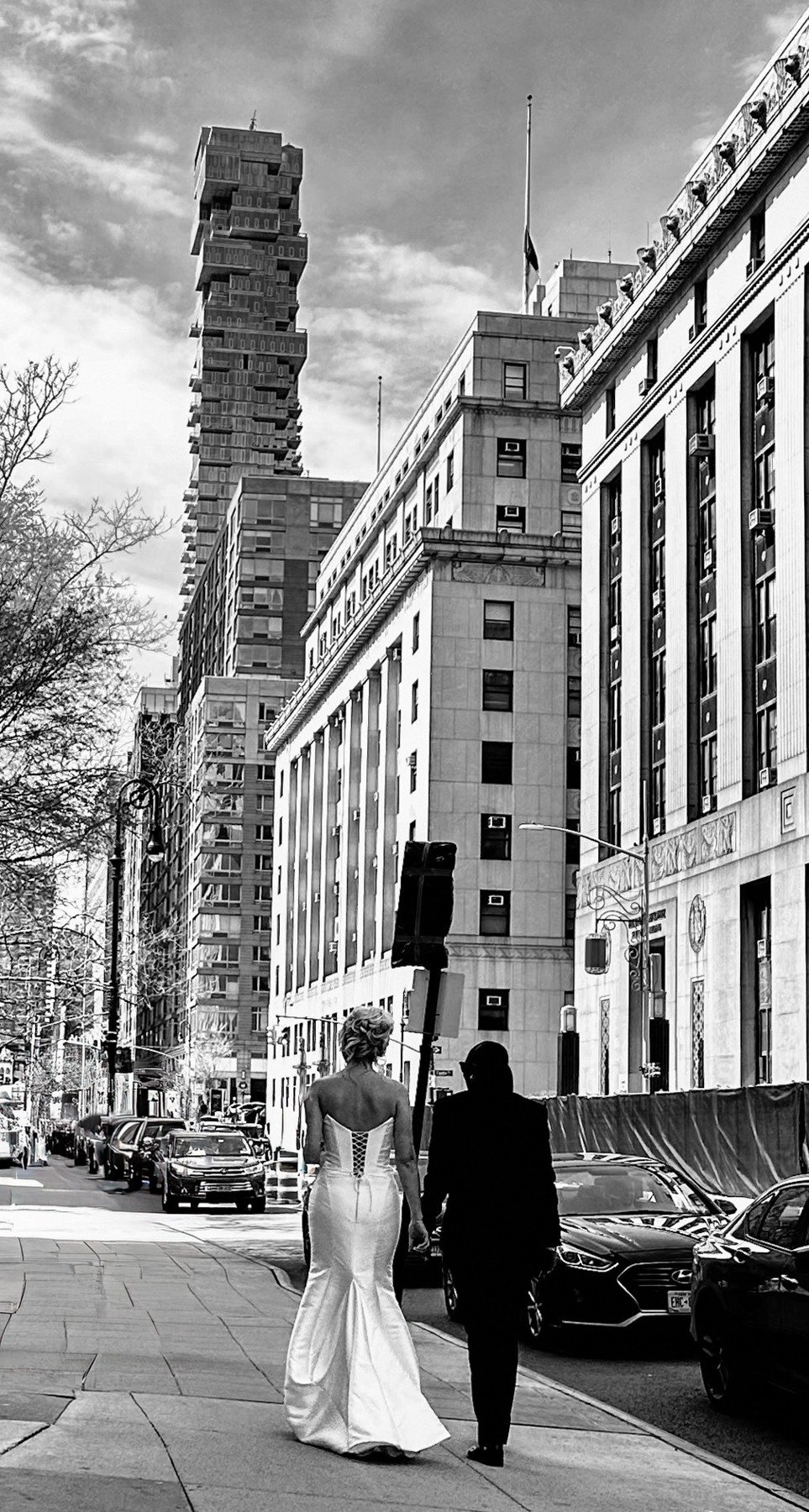
Nadira Gupta’s Two hearts, One City is submitted as photography on metal. A reproduction on a reflective support may look different under changing light. Keep a clear image of the photographic composition as well as any documentation needed to explain the actual object and its finish.
Take reference images before packing, including the back and any vulnerable edges. These help you record the condition and explain installation. Keep the files in a clearly named folder so you can find them quickly when the gallery asks for a particular view.
Give visitors an easy next step
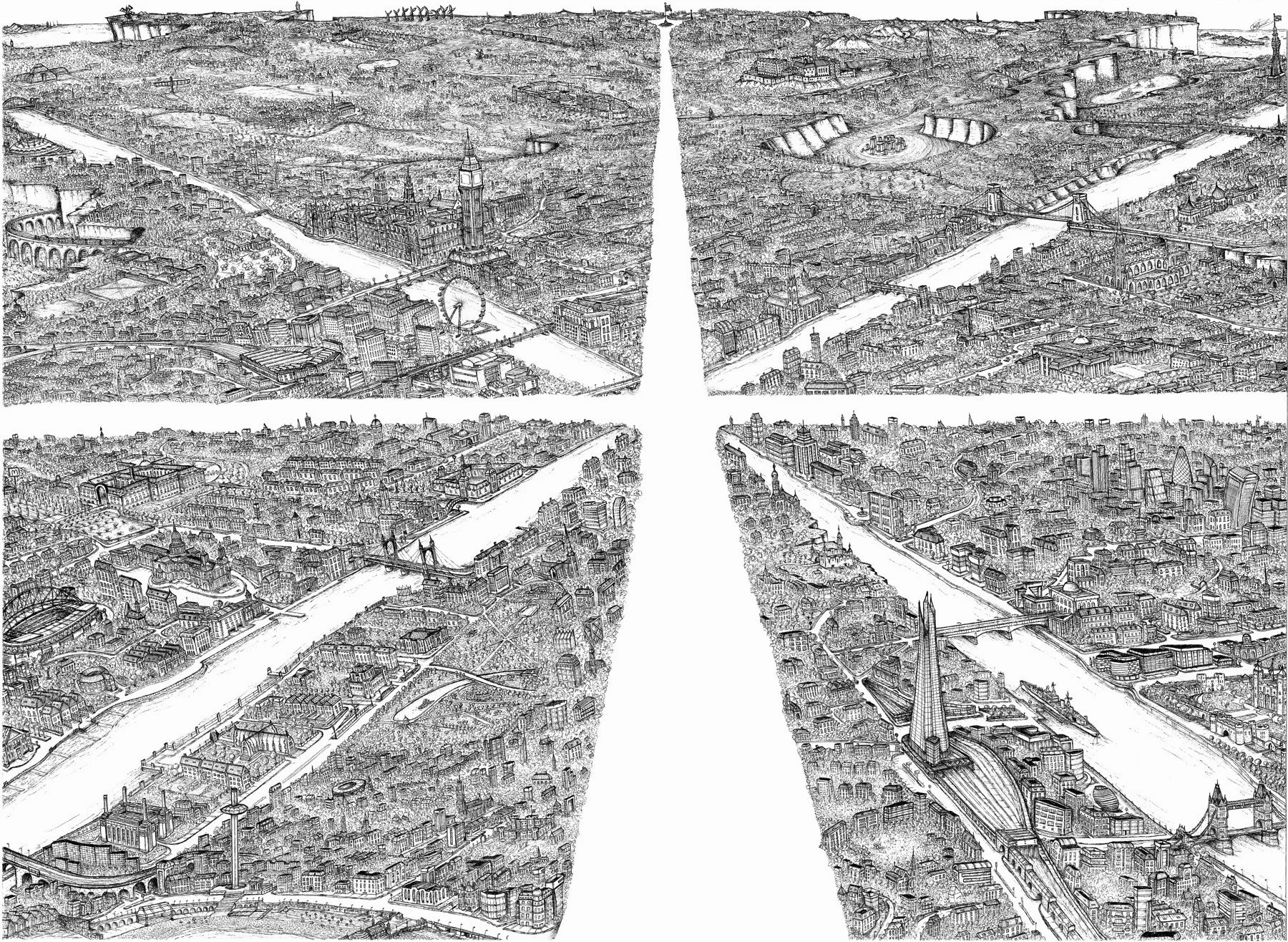
Fouad Hammoud’s detailed city illustration invites closer looking. The website or profile link beside an artwork gives that curiosity somewhere to go after the exhibition. Use a destination that introduces your practice clearly and makes the next step easy, whether a visitor wants to explore a series or contact you.
Before the show, open your artist link on a phone. Check that it leads to current work, that the images load and that your name is easy to find. Prepare a concise bio and a few sentences you can use when someone asks about your process. You do not need a rehearsed sales pitch.
Confirm delivery, collection and follow-up
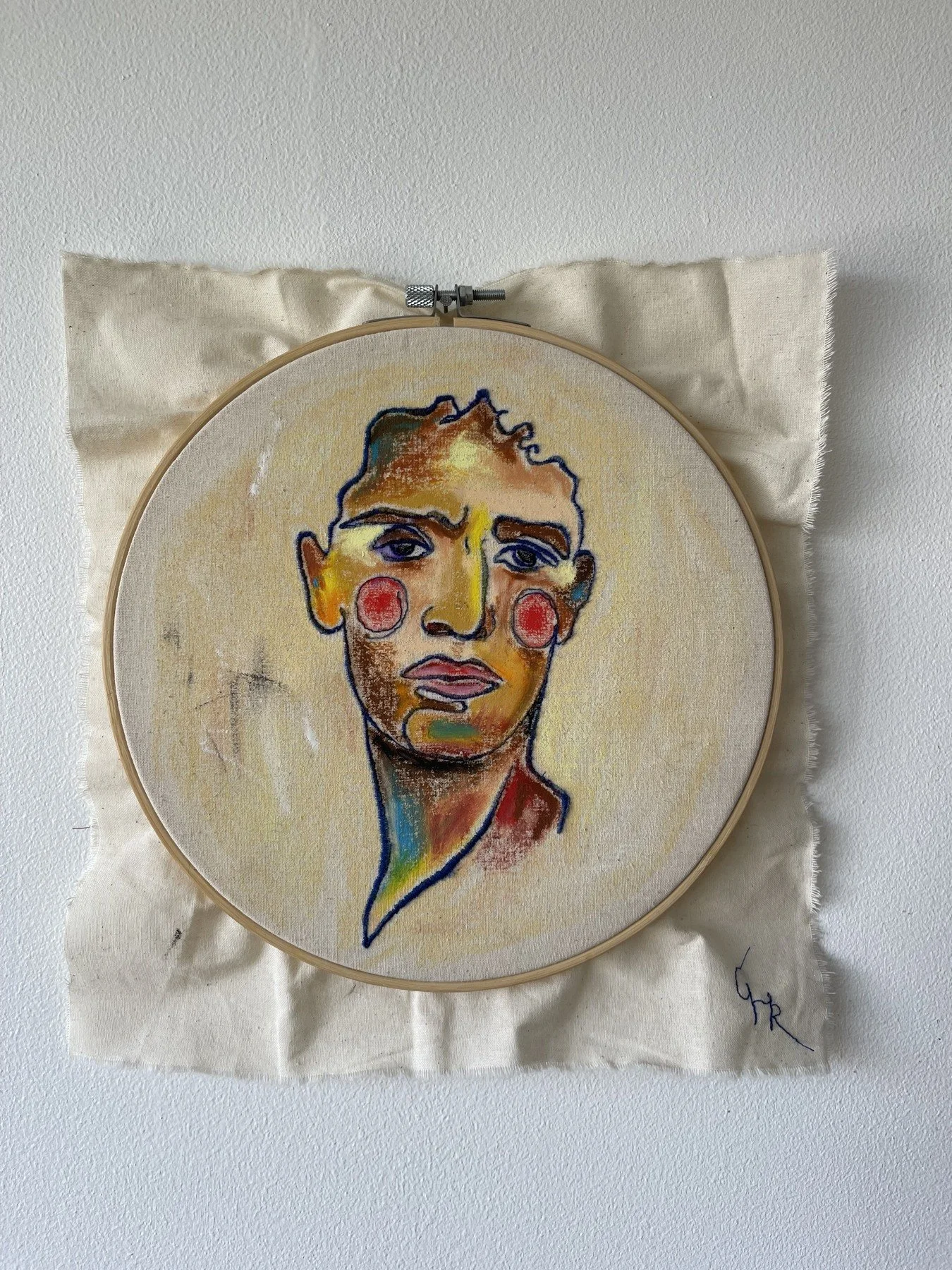
Georgia Russell’s Raging Suns combines embroidery and oil pastel, shown within a hoop. Its physical construction is a reminder to think about the work as an object during packing and handover. Confirm how it should arrive, how it will be displayed and when it must be collected.
After the exhibition, organise the photographs and any updates to your portfolio while the details are fresh. Thank people you spoke with when appropriate, and follow up only through contact routes they have shared for that purpose. The exhibition can become a useful record of your practice as it develops.
Bring your work into the conversation
HUGE’s next November London exhibition runs from 27–29 November 2026, with the venue to be confirmed. Applications close on 16 November 2026. Physical places start at £150 and digital places at £50. Explore the format, consider the costs and submit the work you want people to spend time with.
